|
|
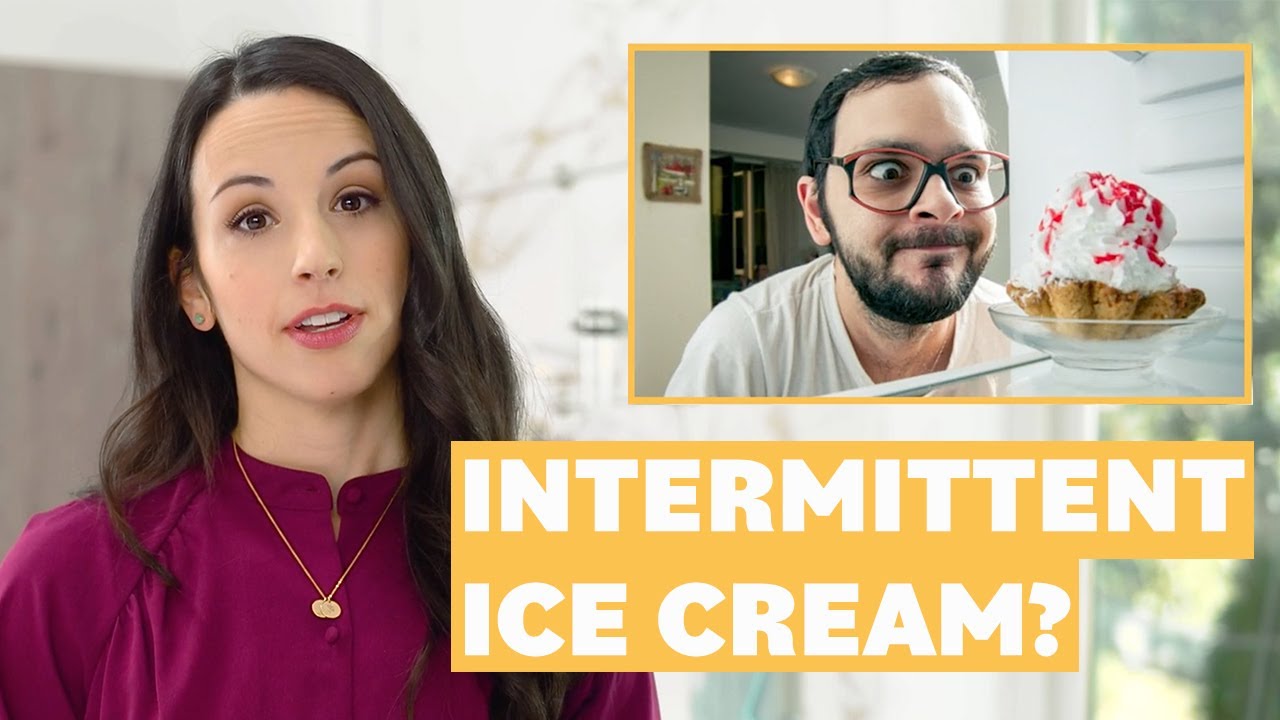
I’ve tried intermittent fasting a few times, but never stuck with it for the long haul. The prospect of a bowl of Greek honey, walnuts, and honey for breakfast always proves too tempting. However, if you’re able to stick to it, it can be an effective way to lose weight.
Dr. Jillian Foglesong Stabile is a family medicine physician who specializes in helping patients make sustainable lifestyle changes. Today, she breaks down who intermittent fasting actually works for, the mistakes that trip most people up, and why starting smaller than you think is usually the move.
|
|
|
|
|
|
|
Fast facts below,
Tim Snaith
Newsletter Editor, Healthline
|
 |
|
Written by Tim Snaith
October 28, 2026 • 2 min read |
|
|
|
 |
|
|
| Q: |
How do I make intermittent fasting actually work? |
|
| A: |
Intermittent fasting (IF) is an eating pattern that focuses on when you eat rather than what you eat. As Dr. Stabile puts it: “IF can be a helpful approach for certain individuals, but it's not universally appropriate for everyone.”
She doesn’t recommend it for children or teenagers, pregnant or breastfeeding individuals, people with a history of eating disorders, or those with conditions like diabetes that require medication management.
For everyone else, Dr. Stabile says the biggest mistakes come down to a few common patterns:
🐎 Going too hard, too fast: “Start with a shorter fasting window and increase it gradually as you feel comfortable. Many people will start with a 12:12 schedule and then move to 14:10 or 16:8.”
💥 Treating it like a crash diet: “IF is not about extreme calorie restriction. It’s about timing, not deprivation.” She stresses that food quality still matters during eating windows: “Make sure that you prioritize high quality foods.”
🍔 Overeating during eating windows: “Some people compensate for fasting periods by overeating or choosing unhealthy foods, which can negate the calorie deficit and health benefits.”
👀 Ignoring what your body is telling you: When IF is working, Dr. Stabile says you’ll notice steady energy, improved focus, and reduced cravings. And when it’s not? The warning signs are hard to miss, but knowing what to look for could save you from wasting time on something that just isn’t right for you.
|
|
|
|
| Want to learn more about food, diets, cooking, or some other nutrition subject? Let us know at nutritionedition@healthline.com and we’ll look into it for you! (Heads up, we may use your response in an upcoming newsletter.)
|
 RECIPE PICKSeared Flank Steak with Thai Cucumber and Cashew SaladA delicious lunch option that is high in protein, and ready in just 15 minutes.GET THE RECIPE → |
|
|
 |
|
|
| Who Should Try Intermittent Fasting? |
| Is it good for people with diabetes? What does it do to glucose levels and your circadian rhythm? How about snacking? Here’s what to know before you try IF. |
|
|
|
|
|
| What we’re digesting |
| 💩 White stool after diarrhea: causes and treatment. It could be your medication, or a sign to see your doctor. |
| 🧠 How therapy can help with obesity. Building the skills that make lifestyle changes stick. |
| 🌿 How to identify poison ivy in every season. It looks different as it grows, but the rash doesn’t. |
| 🧪 Do food sensitivity tests actually work? Why do most experts say to skip them? |
|
| Until next time, |
 |
Take care of yourself, and we’ll see
you again soon! |
|
|
| |
 |
| This edition was powered by |
| mushrooms sautéed in butter.
️ |
|
|
|


