|
|
The superfood label was probably first applied to the banana. Around World War I, the United Fruit Company, based in Boston, pitched it as a cheap, easily digested food sealed in its own germ-proof peel, and the original superfood was born.
A century on, there’s still no official rulebook defining a superfood. It’s mainly a marketing term used to sell everything from smoothies to snack bars. So we asked an expert to recommend foods that earn the name, based on their nutrient profile and research involving people. The banana is not among them. How many of the 16 did you eat this week?
|
|
|
|
|
|
|
|
|
Let’s get into it,
Tim Snaith
Newsletter Editor, Healthline
|

|
|
Written by Tim Snaith
November 8, 2026 • 2 min read
|
|
|
|
|
|
|
|
|
|
|
Everyday foods that live up to the superfood label
|
We asked a registered dietitian to sort through the research and identify foods with the strongest case for being classed as “super.” Most are ordinary grocery items. Here are the first six to whet your appetite.
🥬 Dark leafy greens: Kale and spinach supply folate and iron, and diets rich in greens are tied to a lower risk of heart disease and type 2 diabetes. One cup of raw kale covers 68% of the daily value for vitamin K. If raw kale doesn’t do it for you, consider steaming it! In one lab study, steaming held onto more antioxidants than four other cooking methods. Recipe to try: Chopped rainbow salad with multi-greens
🫐 Berries: Blueberries and strawberries deliver vitamin C and fiber, and research links regular blueberry intake to a lower risk of heart disease. A cup of strawberries provides 94% of the daily value for vitamin C, and a cup of raspberries packs 8 grams (g) of fiber. Recipe to try: Blueberry chia pudding
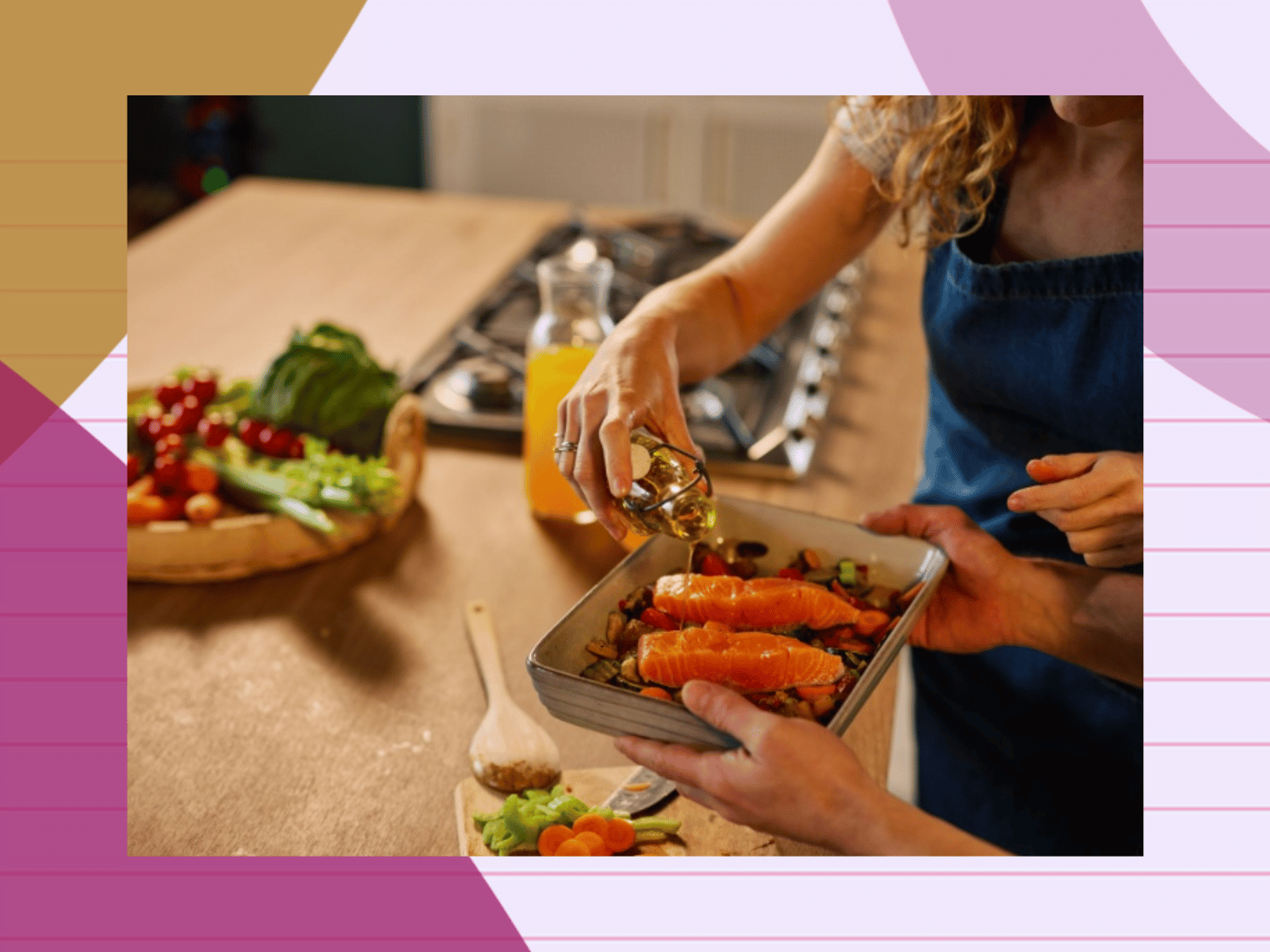
🐟 Salmon: Salmon is one of the best sources of omega-3 fats, which are tied to lower inflammation and blood pressure. A 3.5-ounce serving of wild salmon delivers about 25 grams of protein, and the American Heart Association (AHA) suggests two 3-ounce servings of fatty fish a week. Recipe to try: Salmon zucchini skewers with cucumber dill sauce
🫘 Legumes: Beans and lentils bring plenty of protein and fiber. Trials show improved blood sugar levels in people with type 2 diabetes, and some studies tie eating more legumes to a lower risk of high blood pressure. One cup of cooked lentils holds about 18 g of protein and more than 15 g of fiber. Recipe to try: Black bean and zucchini chili
🍄 Mushrooms: They carry antioxidants found in few other foods, and they grow on leftovers (even coffee grounds), which is easy on the food system. Portobellos add nearly half the daily selenium per grilled cup, and varieties grown under UV light become a strong source of vitamin D. Recipe to try: Stuffed portobello mushrooms with vegetable couscous
🧄 Garlic: Studies point to lower cholesterol and blood pressure, and garlic’s benefits trace back to sulfur compounds that form when a clove is chopped or crushed. Letting it sit for about 10 minutes before cooking may preserve some of them. If you take blood thinners, check with a doctor before eating a lot more. Recipe to try: One-pot lemon-garlic chicken with rice and spinach
The full list includes familiar items like eggs, olive oil, and ginger, along with a couple of more unusual ingredients. Click below to see all 16 true superfoods.
|
|
|
|
Want to learn more about food, diets, cooking, or some other nutrition subject? Let us know at nutritionedition@healthline.com, and we’ll look into it for you! (Heads-up: We may use your response in an upcoming newsletter.)
|

|
|
|
 |
|
|
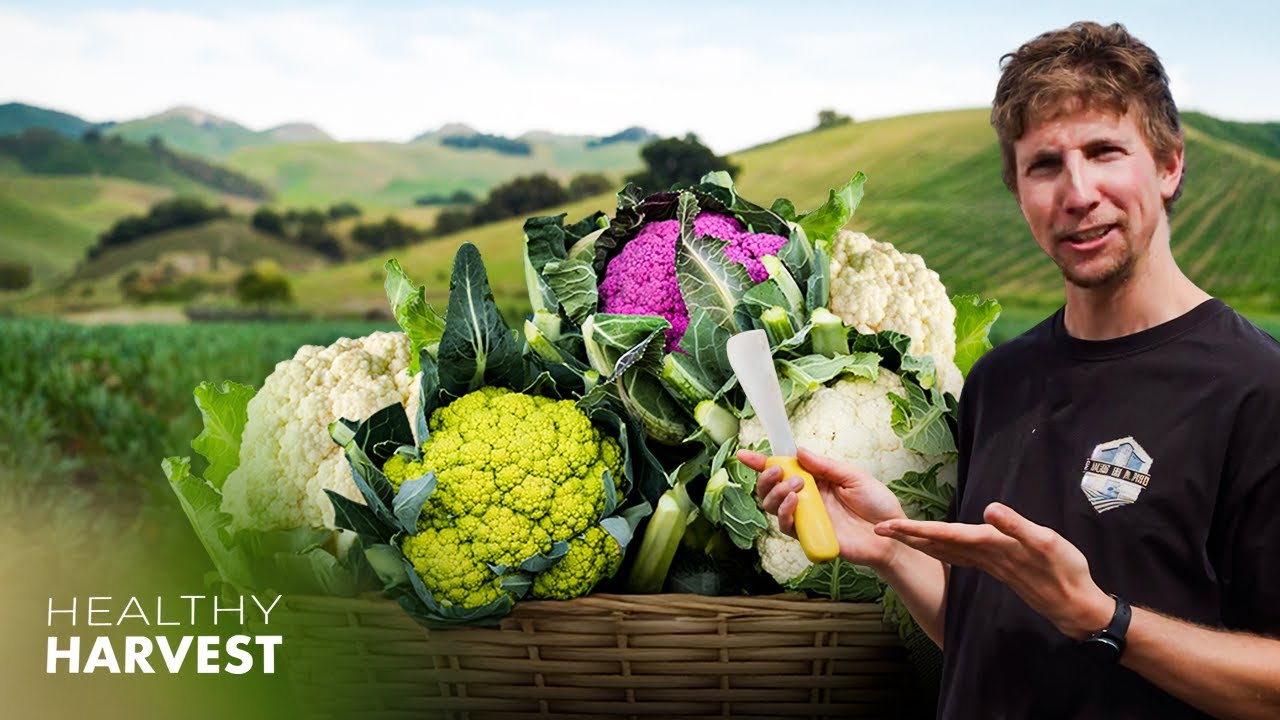
| Cauliflower: The Superfood You Should Be Eating? |
| Zach Nichols, a third-generation farmer from San Luis Obispo, California, shares why cauliflower is a must-have in your diet. Learn about its numerous health benefits, including high levels of antioxidants, low carb content, and essential vitamins. |
|
|
|
|
|
|
Until next time,
|

|
Take care of yourself, and we’ll see
you again soon!
|
|
|
|
|

|
|
This edition was powered by
|
|
blueberries and ice cream with a little peanut butter mixed in.
|
|
|
|
|