|
|
More than 40 million people in the United States live with diabetes. Diet is one of the most important tools to manage the symptoms of this common condition, which is characterized by high blood sugar levels. The emphasis on rich food and alcohol during the holidays can make it challenging to keep your health in check.
To help you find balance, registered dietitian Kirsten Seele shares tips drawn straight from her experience working with clients living with type 2 diabetes. See her response below.
|
|
|
|
|
|
|
|
|
Happy holidays!
Ginger Wojcik
Senior Newsletter Editor
|

|
|
Written by Ginger Wojcik
November 17, 2026 • 2.5 min read
|
|
|
|
|
|
|
|
|
|
| Q: |
I live with type 2 diabetes. How can I enjoy holiday food safely? |
|
| A: |
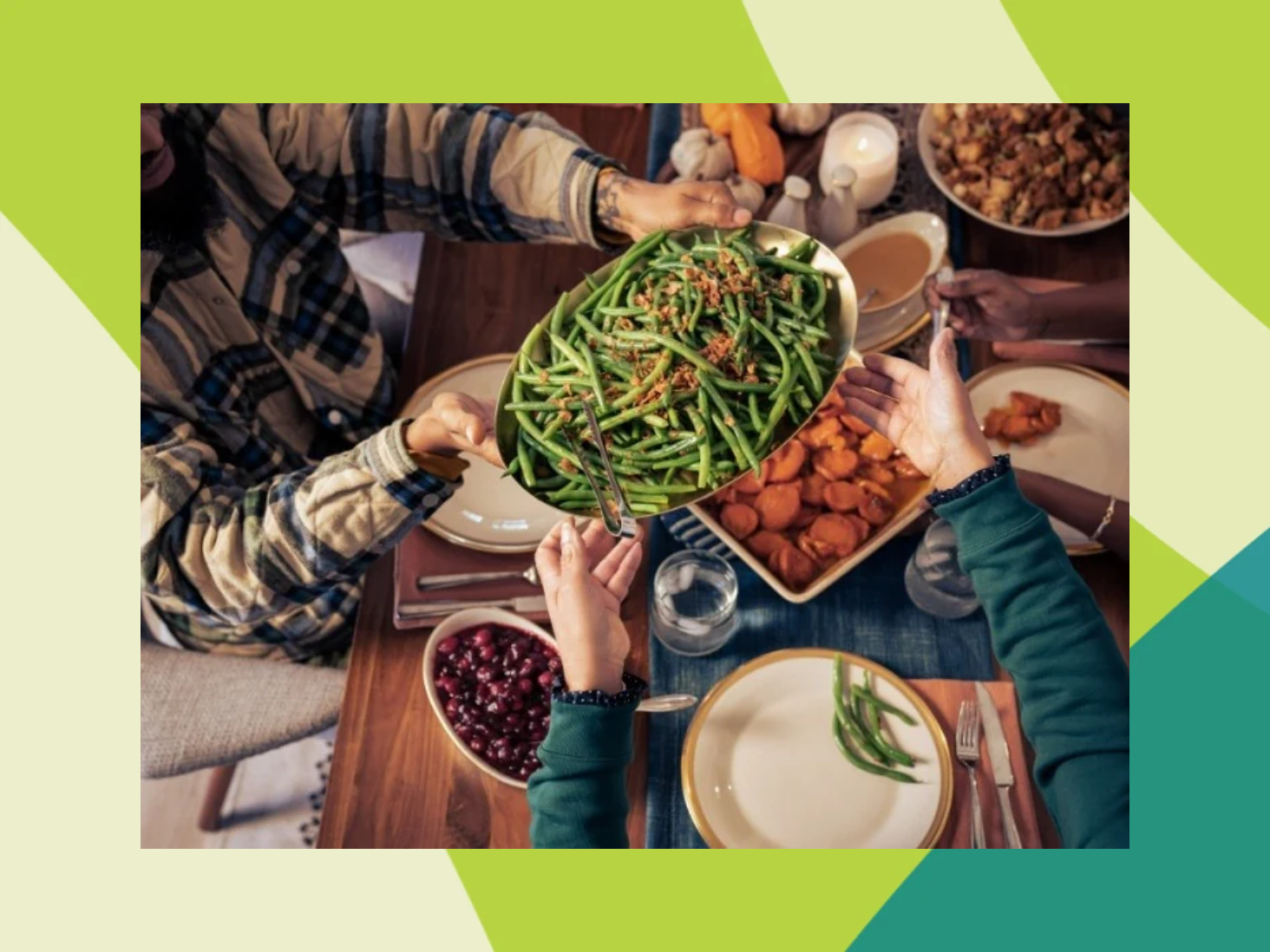
This time of year, much of my work involves helping individuals gain confidence in themselves and their ability to navigate the holiday season. The holidays often revolve around the dinner table, and if you’re living with type 2 diabetes, that can bring a layer of stress, guilt, or fear of missing out.
If you’ve been feeling a bit anxious about how to enjoy the festivities, just remember that managing your blood sugar does not mean sitting on the sidelines while everyone else celebrates.
Here are a few tips to help you savor the season:
Tip #1: Ask for support. You do not have to navigate the season alone. Tell your loved ones about your goals and how they can support you.- Ask that leftover treats not be sent home with you. Use the phrase “No, thank you! I’ve enjoyed enough” if they continue to push.
- Discuss the menu ahead of time to ensure a couple of blood-sugar-friendly options are available.
- Start a new tradition! Ask if they’d like to go on a post-dinner walk.
Tip #2: Prioritize fiber and protein. Both of these nutrients will support glucose levels by slowing digestion and promoting fullness.- Bring a charcuterie board to share as an appetizer with nuts, veggies, olives, meats, cheese, and fruit. Don’t forget, it’s deviled egg season. A classic low carb/high protein option!
- Assess the choices before building your dinner plate. Ensure you have a protein source and veggies on your plate before choosing which carbohydrate-rich sides to try.
- Make a recipe with some healthy swaps like cauliflower in the mashed potatoes, sparkling water instead of wine, and fresh green beans instead of the classic green bean casserole.
Tip #3: Try mindful eating strategies with sweet treats.- Eat dessert right after a balanced meal rather than on an empty stomach, letting the protein and fiber get to work.
- Before eating a treat, pause and take a deep breath. Grounding yourself can help limit treats to one serving rather than multiple.
- Slowly savor and enjoy the treat! Taste the flavors and the love put into it.
You can have a solid plan in place ahead of time by recruiting friends and family to help, having access to nutritious options, and planning to slow down while eating. This doesn’t mean that temptations and slip-ups won’t occur.
If you decide to have that extra scoop of mashed potatoes or one extra slice of pie, don’t get discouraged. Instead, let go of the guilt and speak to yourself kindly. Remember, one slip-up does not define your health. Stay on track with your medication regimen, stay hydrated, and keep moving forward. |
|
|
|
| Kirsten Seele, Registered Dietitian |
|
|
Want to learn more about food, diets, cooking, or some other nutrition subject? Let us know at nutritionedition@healthline.com, and we’ll look into it for you! (Heads-up: We may use your response in an upcoming newsletter.)
|

|
|
|
 |
|
|
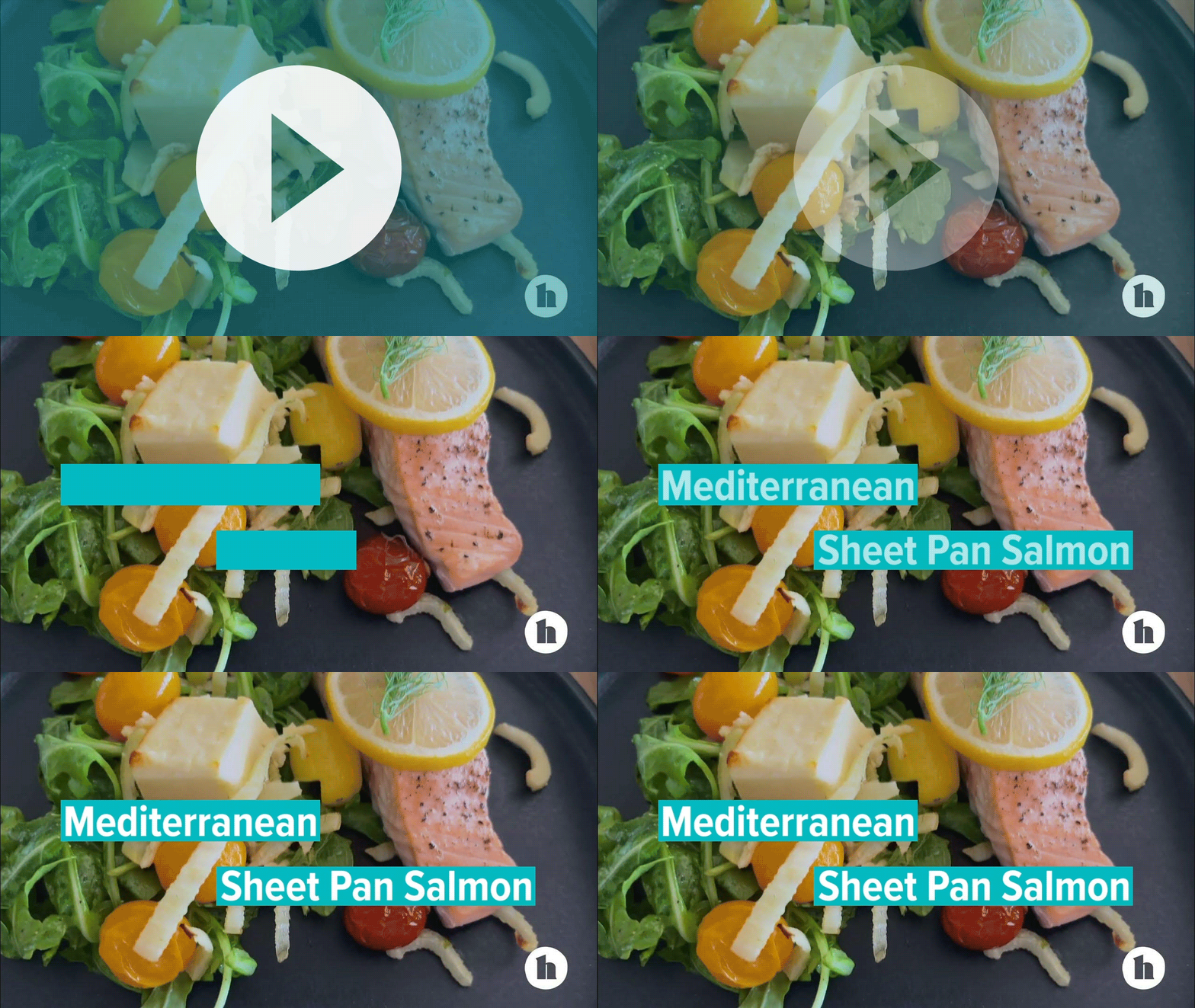
| Anti-Inflammatory Sheet Pan Salmon |
| Craving a delicious, healthy, and anti-inflammatory dinner that’s a breeze to make? Look no further! This recipe is packed with vibrant flavors and nutrient-dense ingredients to nourish your body while tantalizing your taste buds. |
|
|
|
|
|
|
Until next time,
|

|
Take care of yourself, and we’ll see
you again soon!
|
|
|
|
|

|
|
This edition was powered by
|
|
fiber and protein!
|
|
|
|
|